Building Relationships For Business Growth. “Powered by the Mgauli Organisation-The Pioneering Spirit of AmaBhele, underpinned by Ubuntu Principles.
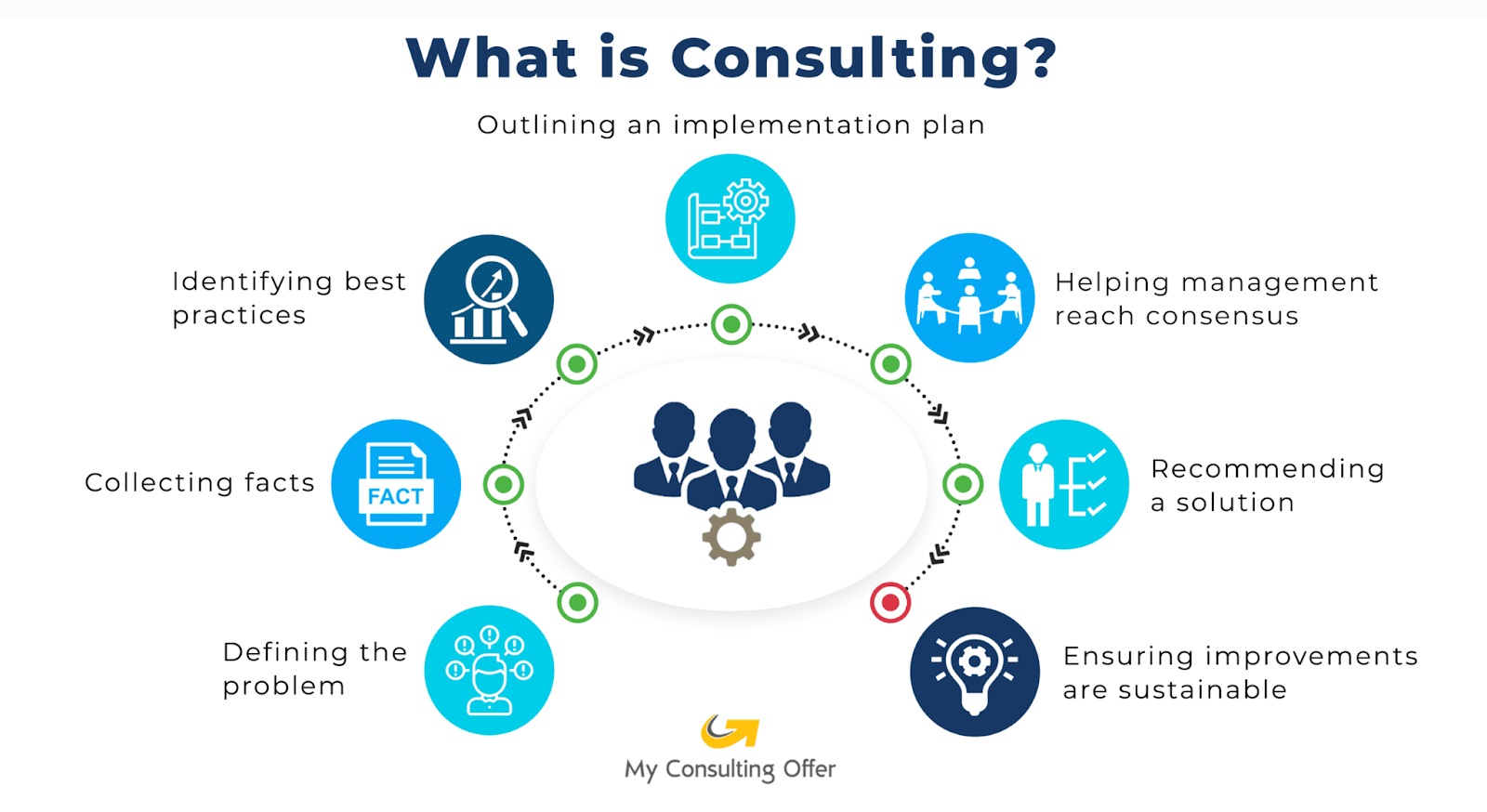
Marang Consulting is a boutique Management Consultancy firm that provides several Consulting, Advisory and other Value-adding Services in the form of Strategy, Management Consulting, Accredited Training, Power Talks and Coaching and Mentorship. The Marang team have considerable experience in Business Analysis and Consulting within both Local Government and the Private Sectors. Marang believes that providing its clients with bespoke strategy expertise, it will support its clients to achieve their desired Business Results. Marang in its brand promise has a systemic methodology which ensures it is able to deliver consistent, on-time outputs through the use of internal information systems and best practice.
Our Vision
Our Vision is to be a Global Consultancy Firm(GCF) that provides strategic and sustainable organisational transformation solutions and services within 5 years (2026-2031).
Our Mission
Our Mission is to improve and sustain the performance and efficiency of our clients to improve their chances of success to not only survive, but thrive in a highly competitive, expanding, and unpredictable political and economic business environment, following a “think global, act local” (Glocal) approach.
Our Values
Our Values as per our company mantra is “Building Relationships for Business Growth” and deliver on-time outputs based on a foundation of trust, integrity, accessibility and accountability (character, competence, commitment, consistency and cohesion).
Our client dealings shall be underpinned and guided by the values of Ubuntu. We operate through a solution-oriented approach. - The Marang Way.
Our Unique Value Proposition
Our Unique Value Proposition (UVP) is to provide bespoke Business Development and Transformation Services to assist Entrepreneurs, Businesses, Organisations to Improve and Grow that translate to Strategic Growth, Sustainable Transformation and Trusted Advisory.
Our Consulting Methodology and Approach-The Marang Way
The Marang Way is a Systemic, Holistic and Integrated Approach to Consulting. We Co-create Solutions with our Clients. This ensures there is Ownership, Buy-in, Skills Transfer and Sustainability. We offer Bespoke/Tailor-made Solutions and are Solution-oriented. We spend 20% of the time on the Problem and 80% of the time on the Solution (80/20). We utilise the “Think Global, Act Local Approach” (GLOCAL)
Our BBEEE Credentials
Our BBEEE Credentials are 100% black-owned company
Professional Association and Membership
1) Institude of Directors South Africa (IoDSA)
2) Coaching and Mentorship South Africa (Comensa)
3) Mangaung Chamber of Commerce
4) Sterkspruit Business Forum
5) Black Management Forum
Business Development Services is made up of 12 sub-services:

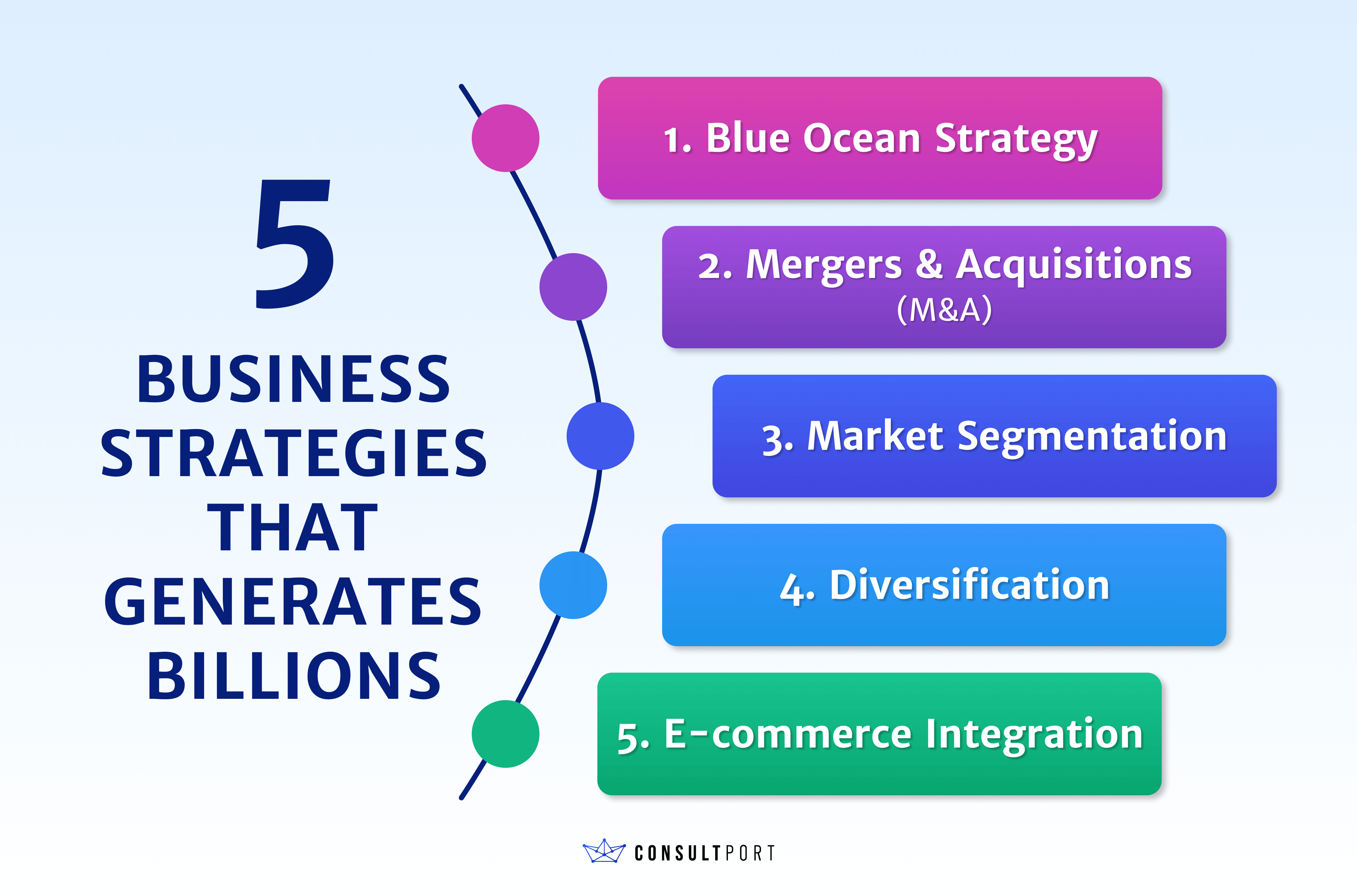
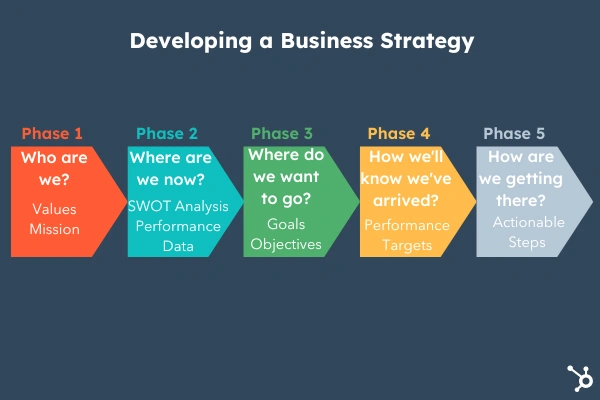
• Business Strategies Development
• Bankable Business Plans
• Assistance with Access to Funding, Business/NPO/Co-operatives Grants & ESDPs.
• Marketing & Sales Plan/Strategies
• Feasibility & Viability Studies
• Proposals for Bids/Tenders
• Company Profiles
• HR Manual :A-Z of HR (Policies & Procedures)
• Due Diligence Services (When Buying a Business or in General)
• NPO /Co-Operative Services
• A Member of COMENSA & IoDSA
Small, Medium and Micro Enterprises (SMMEs) are critical drivers of South Africa’s economic growth, job creation, poverty reduction and inclusive development. In the context of ongoing unemployment challenges — particularly youth unemployment, which remains high — fostering entrepreneurial activity is vital to national socio-economic stability and long-term wellbeing. SMMEs are widely recognised as a cornerstone of South Africa’s economic development, playing a vital role in job creation, poverty alleviation, youth employment and inclusive growth. In a country facing persistently high unemployment and structural inequality, the sustainability and growth of small businesses is not optional — it is a national imperative.
Economic Contribution of SMEs
Recent national assessments show that SMMEs remain a foundational pillar of the South African economy:
• South Africa has an estimated 2.6–3.2 million SMMEs operating across formal and informal sectors. (Sacci)
• Collectively, SMMEs provide approximately 11.4 million jobs, representing roughly 60%–87% of total employment depending on measurement criteria, particulary absorbing low-to semi-skilled labour. (Sacci). They serve as the primary entry point into economic participation for youth, women and historically disadvantaged entrepreneurs.
• The sector contributes about 34%–40% of South Africa’s Gross Domestic Product (GDP), underlining its significance to overall economic output. (Sacci)
• These figures confirm that SMMEs are not only numerous but structurally integral to the economy, underpinning employment and output in both urban and rural contexts.
• This underscores the fact that economic recovery, local development and transformation are directly linked to the performance of SMMEs
Entrepreneurial Activity & Survival Challenges
Despite the sector’s importance, business sustainability remains a key concern:
• A significant proportion of small businesses struggle to sustain operations under current economic conditions, with recent surveys indicating that only about 38–40% of small firms are confident of surviving beyond 12 months without external support. (Business explainer)
• Broader trend data shows that many small businesses do not reach long-term maturity; industry analyses suggest that 70%–80% of small enterprises fail within their first five years due to multiple constraints. (UNDP)
This reflects both structural and operational fragilities across sectors — from limited access to affordable financing and constrained market access to gaps in managerial and financial skills.
Key Barriers to SME Growth.
The high failure rates and growth ceilings among small enterprises are driven by well-documented challenges:
1. Limited access to finance: A top-cited constraint, with many SMEs unable to secure sufficient working capital or investment to scale operations or survive downturns. (Business explainer)
2. Skills shortages: Deficits in entrepreneurial, managerial, technical and financial literacy skills reduce competitiveness and limit growth potential. (Sajesbm)
3. Regulatory & market barriers: Complex compliance requirements, inefficient market entry processes and limited access to supply chains hamper growth prospects, particularly for micro and township enterprises. (Business explainer)
4. Infrastructure constraints: Persistent issues such as energy instability (load shedding), transport and digital infrastructure gaps create cost pressures and limit operational efficiencies for small businesses. (General economic context.
These challenges are particularly pronounced among start-ups, micro enterprises, township businesses, cooperatives, social enterprises and youth-owned firms.
Role of Business Development Services (BDS)
Given the scale of these challenges, Business Development Services are essential for improving small business survival and growth outcomes. Effective BDS interventions — including Skills Training, Entrepreneurial Education, Coaching, Mentorship, Access to Market Information, and Financing Support — contribute to:
.Enhanced business capability, equipping entrepreneurs with the tools to manage operations, improve financial planning and adapt to market changes.
.Improved survival prospects, particularly in the critical first five years of business operation.
.Increased access to networks and markets, through facilitated linkages to buyers, funders and ecosystem partners.
.Greater economic inclusion, especially for youth, women and previously disadvantaged entrepreneurs.
In summary, while SMEs are indispensable to South Africa’s present and future economic health, their potential will only be fully realised through targeted and sustained BDS interventions that address both capacity constraints and structural barriers in the business environment.
Marang Consulting’s Integrated BDS Response.
Marang Consulting responds to this market demand through a holistic, systemic and integrated BDS offering aligned to the real needs of South African SMMEs, Co-operatives, NPOs and growing enterprises.
Our Business Development Services include, but are not limited to:
We offer various business development solutions across the following areas to Small & Medium Enterprises (SMEs) and Social Enterprises (SEs):
BUSINESS SERVICES DESCRIPTION
Business Plans & Strategies, including:
Assistance with Access to Funding, Business/NPO/Co-operatives Grants & ESDPs. Marketing & Sales Strategies/Plans HR Manual :A-Z of HR (Policies & Procedures)
Financial Management Services Company Profiles Proposals for Bids/Tenders
Business Systems , includeing IT Systems, Procedures &Business Policies Due Diligence Services (When Buying a Business or in General) Commercialisation of Social Enterprises, NPO’s,etc.
At Marang we offer bespoke Business Developent Services expertise utilising a tried and tested processes to ensure consistent outputs and quality assurance.
We deliver our services through The Marang Way: a differentiated consulting methodology and approach. It is a systemic, holistic and integrated approach to providing services. We co-create solutions with you to ensure that there is ownership, buy-in, skills transfer and sustainability of solutions. We are “GLOCAL” (think global, act local) in delivering our services taking into account best practices.
Call to Action: Complete the Enquiries Form under Contact us Page or Contact us at: Thando Mgauli (B.Acc) UFS •CEO •C: 068 200 2121 •E: marangconsulting2@gmail.com OR info@marangconsult.co.za
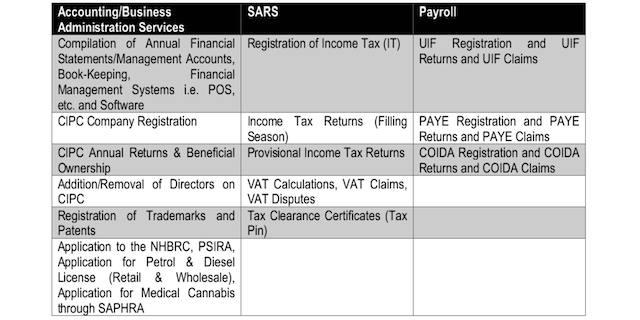
Financial Management & Compliance is made up of 13 sub-services:

• Accounting/Business Administration:
• Annual Financial Statements/Book-keeping
• CIPC Services:Company Registration, Annual Returns/Beneficial Ownership, Trademarks & Patents ,Adding/Removing Directors
• Application to NHBRC, PSIRA,
• Application for Petrol & Diesel Licese (Retail & Wholesale)
• Application for Medical Cannabis through SAPHRA
• South African Revenue Service (SARS)
• Income Tax (IT) Registration & IT Returns, Provisional Income Tax Returns,
• Tax Clearance Certificate (TCC)/ Tax Pin
• VAT Calculations, Claims & Disputes
• Payroll
• UIF, PAYE, COIDA Registration, Returns & Claims
• Authorised Partner of SAGE Pastel Quickbooks and Humble Till
Annual Financial Statements (AFS)/Management Accounts
Annual Financial Statements (AFS) or Management Accounts collectively referred to as “Financials” are a consolidated record of all the financial transactions and financial activities that have taken place in a company over a period of a year. The report details an entity’s financial information including assets, liabilities, equities, incomes and expenses, shareholders’ contribution, cash flow, and other related information. It is presented in the form of a standard format as a report in a clear and concise manner consisting of;
• An Income Statement (shows the incomes and expenses incurred during the period);
• The Balance Sheet (provides a summary of the position of the business up to a particular date);
• A Cash Flow Statement shows (the movement of cash in the business); and
• Notes to the Financial Statements (Summary of policies and more detail on the summary of the Income Statement, Balance Sheet and Cash Flow Statement).
Financial Statements are prepared to communicate about the financial performance of a Company, Co-Operative or Non-Profit Organisation (NPO) to Stakeholders such as Shareholders, Business Owners, Managers, Lenders such as Banks when applying for a loan and because the law requires the company to do so, such as when submitting Annual Returns to the South African Revenue Service (SARS) and the Companies and Intellectual Property Commission (CIPC) and companies listed on the Johannesburg Stock Exchange (JSE). Financial Statements can also be a requirement of a large tender to prove that your company has the capacity and resources to leverage on in order to deliver and comply with the specifications of the tender/bid. Above all they serve as tool for the Management of the Company, Co-Operative or Non-Profit Organisation (NPO) to review and measure performance- “what cannot be measured, cannot be managed”. They assist managers to 1) Review their Cash-Flow to maintain and keep Expenditure in line within the Revenue Model of the company, 2) Review Liabilities to determine the ability of the company to meet its Short and Long-term obligations, 3) Review Inventory and its movements to show whether goods are fast or slow-moving, 4) Identify Trends and Analysis based on current and past Financial Performance and Results in order to identify the key drivers of Revenue, Expenditure as a percentage of Income- Whether the company is growing or not, i.e. “What was our performance last year compared to now?” and, 5) As a basis to prepare a Budget and to review against it. Financial Statements also assist to identify gaps in expected Income and Actual Income and are a tool to be used to devise Strategies, Plans and Tactics to close those gaps in order to improve the Financial Performance of overall Financial Health of the Company.
Financial Statements are prepared by a Registered competent and Professional Accountant/Book-Keeper who has the appropriate knowledge, skills, expertise and tools (equipment and software). The preparation of Financials places a high emphasis on accuracy, reliability and relevance of Financial Data. They must always be prepared in compliance to the Generally Accepted Accounting Standards (GAAP) and/or International Financial Reporting Standards (IFRS).
Financials are normally prepared on an annual basis consolidating the performance of the previous 12 months. A company may also prepare Financials monthly, thus allowing it to have current and up-to- date information on which to base their Business and Financial decisions.
The cost to prepare Financials is normally dependent on a variety of factors such as the amount of time spent, the size and complexity of your business. It is always advisable to maintain a Proper Filing System of your records in a tidy, logical and chronological order. This will ensure the completeness of information and reduce the amount of time to prepare and money spent by you for the Accountant to compile and complete the report. Another Best Practice to adopt as a Record-Keeping System is to avoid making transactions in cash as receipts may be available or not be available and may get lost or the ink dry-out over time. Always request your Supplier to provide an Invoice at best Electronically by e-mail so that you have a digital Paper Trail. Electronic Information doesn’t catch fire and can’t be stole by thieves for example. Thieves may steal your Laptop/Paper Files but they can’t steal your e-mail address and Digital Bank Transaction Records. Whereas transactions via the Bank are electronic, safe and cannot be lost. All you have to do is to ensure you correctly describe each transaction made such as airtime, Loan, Rent, Salary-Bongani Mthembu, Water and Electricity, etc. for each payment and transaction you effect via your Bank Account on your Banking Application (App). The Bank is required by law to keep your records for at least 7 years on request and further if necessary subject to their Fees and Charges. The longer a period you need to retrieve your Bank Statements the more you will pay. So, it is advised to file and retrieve your Bank Statements Monthly to avoid missing information and Bank Fees.
The preparation of Financials extends and includes the following scope of services that:
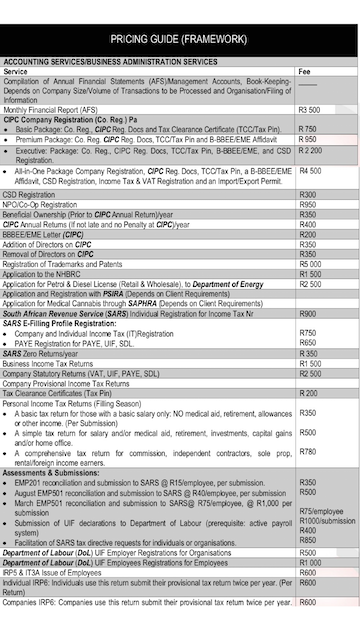
VAT Calculations, VAT Claims, VAT Disputes-Varies according to Complexity of the Case --------------
At Marang we offer bespoke Financial Management Services with expertise utilising a tried and tested processes to ensure consistent outputs and quality assurance.
We deliver our services through The Marang Way: a differentiated Consulting methodology and approach. It is a systemic, holistic and integrated approach to providing services. We co-create solutions with you to ensure that there is ownership, buy-in, skills transfer and sustainability of solutions. We are “GLOCAL” (think global, act local) in delivering our services taking into account best practices.
Call to Action: Complete the Enquiries Form under Contact us Page or Contact us at: Thando Mgauli (B.Acc) UFS •CEO •C: 068 200 2121 •E: marangconsulting2@gmail.com OR info@marangconsult.co.za
Business Training Workshops has 14 sub-services:

• How to Start a Business: The Art of the Start
• Business Models-Define your Unique Value Proposition/Unique Selling Points, Lean Start-up
• How to Secure a Tender
• How to write a Proposal
• Business Planning
• Financial Management
• Financial Literacy for Social Enterprises
• Finance for Non-Financial Entreprenuers/Individiuals
• Marketing Strategy and Sales Plan
• How to Raise Money & Make an Elevator Pitch
• Women Entrepreneurship Development Workshops
• Social Enterprises (NPO,Co-operatives) Commercialisation Strategies Workshops
• HR Training
• Corporate Governance
Learning & Development (L&D) requires the same vigour and attention as any other management task. Well managed L&D can deliver the right people with the right skills at the right time to enable organisations to deliver their objectives and outcomes into the future”
-Chartered Institute of Personnel and Development (CIPD)
At Marang we do not deliver Training for its namesake. Our Training Methodology is especially suited for adult-learning. It is also practical in nature. It is aimed at the effective facilitation of contact sessions in workshops with the aim of increasing retention. This is informed by the fact that people often remember more when they practice or use their learning compared to when they just read or hear information. The amount of information we remember is in direct proportion to the amount of involvement we had in the learning. The Cone of Learning by Edgar Dale shows that we tend to remember only about 10% of what we read. Our memory increases when we hear and see something together, e.g. watching a movie or going to an exhibit. We remember about 90% of what we say and do, like practicing what we learned. The appropriate method of delivery is critical in increasing memory retention levels.
We offer Accredited Training Services through various SETAs as follows:
• Full Qualifications
• Short-Training Programmes, Workshops between 1-5 days), Seminars.
• Learnerships;
• Leadership and Management Development;
We offer our non-accredited Training Workshops
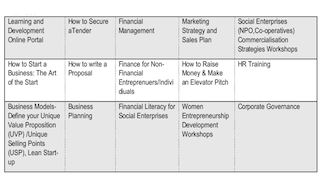
Non-Accredited Training Workshops
Learning and Development Online Portal How to Secure aTender Financial Management Marketing Strategy and Sales Plan Social Enterprises (NPO,Co-operatives) Commercialisation Strategies Workshops
How to Start a Business: The Art of the Start How to write a Proposal Finance for Non-Financial Entreprenuers/Individiuals How to Raise Money & Make an Elevator Pitch HR Training
Business Models-Define your Unique Value Proposition (UVP) /Unique Selling Points (USP), Lean Start-up Business Planning Financial Literacy for Social Enterprises Women Entrepreneurship Development Workshops Corporate Governance
At Marang we offer bespoke Business Training Workshops with expertise utilising a tried and tested processes to ensure consistent outputs and quality assurance.
We deliver our services through The Marang Way: a differentiated Consulting methodology and approach. It is a systemic, holistic and integrated approach to providing services. We co-create solutions with you to ensure that there is ownership, buy-in, skills transfer and sustainability of solutions. We are “GLOCAL” (think global, act local) in delivering our services taking into account best practices.
Call to Action: Complete the Enquiries Form under Contact us Page or Contact us at: Thando Mgauli (B.Acc) UFS •CEO •C: 068 200 2121 •E: marangconsulting2@gmail.com OR info@marangconsult.co.za

Legal Agreement menu has 7 sub-services:
• Commercial Agreements
• General Agreements
• Trust Agreements
• Labour Agreements
• Matrimonial
• Property Agreements
• Testementary (Wills)
(A-Z of Legal Agreements/Blueprints)
In the fast-paced world of business, many deals rely on verbal agreements and a handshake. While this
might seem sufficient in the moment, the lack of a written contract can expose your business and
personal life to significant risks. In South Africa, written contracts provide clarity, legal protection, and
Enforce-ability, making them an essential tool for any business and/or personal transaction. According to
a new report released by Statistics South Africa (Stats SA), there is a 9,1-percentage point increase in
the proportion of individuals that have experienced one or more disputes between 2018/19 and 2021/22
reporting periods.
The types of disputes experienced range from poor service from government and business, conflict with
neighbours, corruption, bribes/nepotism to debt, money owed to you or by you, domestic violence,
unfair employment practice, and marriage or partnership to name a few. The Governance, Public
Safety, and Justice Survey (GPSJS) 2021/22, reveals that an estimated 21% of the population aged 16
years and older experienced one or more disputes/problems during the past two years in the 2021/22
reporting period compared to 11,8% in 2018/19.
In the past two years (2021/22), 10,1 % of individuals experienced disputes or problems related to poor
service from government and business. About 3,9% experienced disputes or problems related to
conflict with neighbours, while 2,9% experienced disputes or problems related to corruption, bribes or
nepotism. About 2,3% experienced disputes or problems related to domestic violence. The exception
however is for ‘corruption or bribery or nepotism by government officials’ which is in the top ten of
disputes experienced by females and not for males. ‘Unpaid debt by family or relatives’ is in the top ten
disputes experienced by males but not in the top ten for females. Disputes related to ‘Child support or
maintenance’, ‘Violence against women’ and ‘Family property ownership’ are some that have remained
in the top 10 most-recent disputes experienced by females.
Legal agreements are important because they provide legal enforce-ability, clarity, and structure to
relationships by defining rights, responsibilities, and obligations. They minimise risks, prevent
misunderstandings and disputes, establish expectations, and offer a clear legal recourse if terms are
not met. Contracts also ensure legal compliance, formalise relationships, and serve as a reliable record
of agreements between parties.
Key Reasons Legal Agreements Are Important:
1) Legal Enforceability: Agreements become legally
binding contracts, which means parties can use the courts to enforce their rights if the other party fails
to fulfill their obligations.
2) Clarity and Understanding: A well-drafted agreement clearly states the
terms, conditions, and responsibilities of each party, reducing ambiguity and potential
misunderstandings.
3) Risk Mitigation: Contracts help manage and minimise risks associated with
transactions or relationships by establishing deadlines, performance expectations, and remedies for
non-compliance.
4) Dispute Prevention: By outlining terms and expectations upfront, contracts help
prevent disagreements from arising and provide a framework for resolving them if they do.
5)
Accountability: Agreements improve accountability, as each party knows what is expected of them
and what consequences they may face if they fail to meet their commitments.
6) Formalisation of
Relationships: Contracts formalise the relationships between parties, whether for business
partnerships, employment, or other ventures, providing a solid foundation for collaboration.
7) Legal
Protection: They provide legal protection by documenting agreements, which is crucial for proving the
terms of the relationship and protecting your interests if a dispute arises.
8) Proof of Agreement: A
written agreement serves as a reliable record of the agreed-upon terms, which can be vital evidence if
there is a disagreement or a need to prove the existence of the contract.
9) Compliance with Laws:
Contracts ensure compliance with applicable laws and regulations, as some agreements are required
by law to be in writing to be enforceable.
It is clear that in the normal course of Business and Personal Life you’re going to need Legal
Agreements to minimize your risks to disputes, poor performance and obtaining the desired outcome
and deliverable in terms of any Agreement you may enter into. Written Legal Agreement can reduce
your future Legal Fees at a Law Firm.
Become your own Lawyer and know Legal Jargon. Draft/Customise your own Agreements and save on
Current and Future Legal Fees at a Law Firm or through a Lawyer, who charge a tenfold more. You’ll at
least save money and pay less for the document (Legal Agreement) and more for Legal Services,
Expertise and Legal Technical Processes.
At Marang we offer bespoke Legal Agreements Services and Customisation with expertise utilising a
tried and tested processes to ensure consistent outputs and quality assurance.
We deliver our services through The Marang Way: a differentiated Consulting methodology and approach. It is a systemic, holistic and integrated approach to providing services. We co-create solutions with you to ensure that there is ownership, buy-in, skills transfer and sustainability of solutions. We are “GLOCAL” (think global, act local) in delivering our services taking into account best practices.
Call to Action: Complete the Enquiries Form under Contact us Page or Contact us at: Thando Mgauli (B.Acc) UFS •CEO •C: 068 200 2121 •E: marangconsulting2@gmail.com OR info@marangconsult.co.za

Credit profile management has 4 sub-services:
• Credit Bureau Services (Credit Profile Checks),Personal & Credit Reports & Management Services
• Credit Score Improvement Plan & Credit Record Clean-up
• Rescission of Judgements (Credit Blacklisting) Removal
• Services of Verification of Payments of Employee Salary Deduction i.e, Pension Funds, UIF, COIDA, Compensation Fund, etc
We offer the following Credit Profile Management Services (Business & Personal), Due Diligence & Verifications:
• Credit Bureau Services (Credit Profile Checks,Personal & Credit Reports & Management Services
• Credit Score Improvement Plan & Credit Record Clean-up
• Rescission of Judgements (Credit Blacklisting Removal)
• Employee Salary Deduction Verification Services
At Marang we offer bespoke Unclaimed Benefit Tracing, Employee Salary Deductions Verification Services and Credit Profile Management Services with expertise utilising a tried and tested processes to ensure consistent outputs and quality assurance.
We deliver our services through The Marang Way: a differentiated Consulting methodology and approach. It is a systemic, holistic and integrated approach to providing services. We co-create solutions with you to ensure that there is ownership, buy-in, skills transfer and sustainability of solutions. We are “GLOCAL” (think global, act local) in delivering our services taking into account best practices.
Call to Action: Complete the Enquiries Form under Contact us Page or Contact us at: Thando Mgauli (B.Acc) UFS •CEO •C: 068 200 2121 •E: marangconsulting2@gmail.com OR info@marangconsult.co.za

Value Builder System has 13 sub-services we offer:
• Get out of the Owner’s Trap
• The Value Builder Engagement Assessment
• 8 Drivers of Company Value
• Financial Performance
• Growth Potential/Growth Quad
• The Switzerland Structure
• The Valuation Teeter Totter
• Recurring Revenue
• Your Scalability Finder
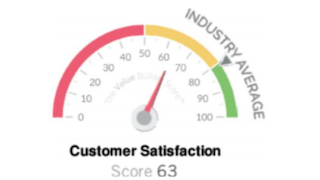
• The Customer Satisfaction Score
• The Hub & Spoke (Your Business without You)
• Your Shortlist Builder (Business Exit Strategy-List of Potential Strategic Buyers)
• Your Envelope Test (Decide when to Sell)
The Value Builder System™ is a proven method for increasing the value, growth and performance of
a business or organisation, through an online system. It includes a Situational Analysis of your
company, an assessment, and an action plan through coaching and mentorship sessions through a
structured programme: Value Builder Engagement™ Sessions.
Value Builder Questionnaire™: You will be invited to complete an online (or manual) questionnaire.
This serves as a Situational Analysis to benchmark where you are now.
Value Builder Assessment™: An Assessment is conducted through a meeting and a customised
report is generated about your company. The report generates the Value Builder Score™, which
identifies gaps and areas of improvement in your business across 8 Drivers of Company Value: 1)
Financial Performance, 2) Growth Potential, 3) The Switzerland Structure, 4) The Valuation See-Saw,
5) The Hierarchy of Recurring Revenue, 6) Monopoly Control, 7) Customer Satisfaction, and 8) Hub &
Spoke. A high level action planning and recommendation is conducted in the assessment meeting,
including explaining and unpacking the contents of your Value Builder Report™.
Value Builder Engagement™ is a series of one-on-one monthly coaching sessions using a structured
programme, focusing on the 8 Drivers of Company Value. The sessions are geared to improve gaps
identified. The sessions are conducted using the online tool by gaining access to the value-builder
system. As a result the meeting outputs are automated; the meeting minutes, action plan are sent
automatically, including the agenda prior to the meeting. You will be able to gain access and review the
session activities at your own time, anywhere so long you have a computer and internet access. This
way you can always improve your business and work on your business strategic objectives.
There is a Brochure for this but I don’t have pdf to word converter but I want the brochure’s information put under this page as is
At Marang we offer bespoke VALUE BUILDER SYSTEM ENGAGEMENT PROGRAMME with tools and expertise utilising a tried and tested processes to ensure consistent outputs and quality assurance.
We deliver our services through The Marang Way: a differentiated Consulting methodology and approach. It is a systemic, holistic and integrated approach to providing services. We co-create solutions with you to ensure that there is ownership, buy-in, skills transfer and sustainability of solutions. We are "GLOCAL” (think global, act local) in delivering our services taking into account best practices.
THE OWNER’S TRAP
ARE YOU THE BUSINESS OR DO YOU HAVE A BUSINESS?
Many business owners have fallen for The Owner’s Trap:
• When you are not there, nothing happens;
• You know more than anyone else in your company about your industry;
• Your customers ask to deal with you personally;
• You are involved in the building or creating of what you sell;
• You are your company's best sales person; and
• Your sales have reached a plateau.
IF you have answered YES to most or some of the above then you’ve fallen for The Owner’s
Trap. The Value Builder System™ is dedicated to getting you back on track. You’ll learn:
• Whether you are the business or you have a business?
• How to pull yourself out of The Owner’s Trap;
• The 8 factors that drive the value of your company;
• About The Value Builder System™.
Take the Next Step and Contact us for your Value Builder Report and Assessment.
Franchise has 6 sub-services that we offer:
• Franchiseability Assessment-Business Appraisal/Due Diligence
• Franchise Your Business-Operations (OPS) Manual, Policies and Procedures and Operational Systems
• Operational Systems
• Franchisee Training & Support
• Local Franchise Opportunities
• nternational Franchise Opportunities
Market Demand for Franchising Services in South Africa
Franchising has emerged as a key engine of economic growth, employment creation and entrepreneurship enablement in South Africa. Franchising is one of South Africa’s most resilient and impactful Business Models, contributing an estimated 15% to national Gross Domestic Product (GDP).
Market Demand for Franchising Services in South Africa
Amidst broader structural challenges — including high unemployment, constrained consumer spending and cost pressures on small businesses — the Franchising Model continues to offer a resilient and proven pathway for business expansion, investment and sustainable Enterprise Development (ED).
Economic Scale & Contribution
The South African Franchise Sector is substantial and growing, with the latest industry data highlighting its major contribution to national economic output:
• The Franchise Industry generated an estimated turnover of R999 billion in 2023, reflecting a 36% increase since 2019 and demonstrating strong Revenue growth across established Franchise Systems. (Franchising Plus)
• Franchise activity accounts for approximately 15 % of South Africa’s Gross Domestic Product (GDP), signalling its significance relative to other Economic Sectors. (Franchising Plus)
These figures underline the scale of Franchising as not only a Business Model but a pillar of the South African economy.
Franchise Systems & Outlets
• There are around 727 active Franchise Systems operating in South Africa, spanning a diverse range of sectors — from quick service Restaurants and Retail to Home Services, Automotive Support and Business-to-Business Services. (Franchising Plus)
• The total number of Franchise outlets nationwide is approximately 68 000+, indicating both the depth and geographical spread of franchising activity. (The Citizen)
This breadth offers multiple entry points for Franchisees and Franchisors alike, spanning traditional formats as well as emerging concepts across high-growth sectors.
Employment Impact
Franchising is also a significant employer:
• The sector directly supports an estimated 470 000–500 000 jobs across South Africa, equating to roughly 4.7 % of total national employment. (Franchising Plus)
• The average Franchise Outlet employs dozens of staff members, and the broader format contributes to indirect job creation through Supply Chains and Service Eco-systems. (Franchise Association South Africa)
Given the national challenge of unemployment — particularly among youth — Franchising remains a vital pathway for structured work opportunities and skills development.
Resilience & Long-Term Stability
Despite economic headwinds including rising costs, higher interest rates and disrupted consumer demand, the franchising sector has shown notable resilience:
• Many franchise systems have been operating for over a decade, with a significant proportion of Franchisors and Franchisees demonstrating long-term stability. (Franchise Association South Africa)
• Expectations for break-even timelines have strengthened, with a growing share of Franchisors anticipating profitability within the first year of operations — a trend pointing to heightened operational maturity across the sector. (South Africa)
This maturity highlights Franchising as a lower-risk alternative to independent entrepreneurship, particularly for new business owners seeking proven Business Models and structured operational support.
Sector Diversity & Emerging Opportunities
Franchising is not confined to a single industry. It represents a broad array of Business Categories, including but not limited to:
• Quick Service Restaurants (QSR) and Dining
• Retail and Consumer Goods
• Home, Office and Personal Services
• Health, Beauty and Wellness Services
• Automotive Products and Support Services
• Business-to-Business (B2B)Services and professional offerings (The Citizen)
This sectoral diversity — coupled with emerging trends such as micro-franchises, flexible home-based formats, and digital hybrid models — creates new opportunities for franchise development and entrepreneurial participation in both urban and underserved rural markets. (Franchising Plus)
Demand for Franchising Services
Given the scale, impact and evolution of the Franchising Eco-system, there is strong and growing demand for professional Franchising Services that support:
• Franchise Development and Launch Strategy
• Franchise Mdel Design and Documentation
• Operational Systems and Process Standardisation
• Training, Mentorship and Brand Culture Development
• Franchise Sales, On-boarding and Support
• Legal, Compliance and Regulatory Guidance
• Market Research and Territory Planning
• Franchise Marketing and Digital Enablement
Why Franchising Matters in SA Today (Franchising Unique Value Proposition)
In the current South African context, franchising represents:
• A significant economic contributor to GDP and job creation
• A proven business format with strong long-term survival rates relative to independent startups
• A mechanism for entrepreneurship enablement and inclusive opportunity, especially for first-time business owners
• A growth area for business services providers who can deliver specialised support to franchise systems and investors
This environment drives ongoing demand for professional Franchising Services that can unlock value, improve franchise success rates and expand the reach of brands nationally.
As part of our brand promise, we offer bespoke Franchising Services /Solutions expertise utilising a tried and tested Franchising Processes to ensure consistent outputs and quality assurance, through the following:
At Marang we offer bespoke FRANCHISING SOLUTIONS AND SERVICES with tools and expertise utilising a tried and tested processes to ensure consistent outputs and quality assurance.
We deliver our services through The Marang Way: a differentiated Consulting methodology and approach. It is a systemic, holistic and integrated approach to providing services. We co-create solutions with you to ensure that there is ownership, buy-in, skills transfer and sustainability of solutions. We are "GLOCAL” (think global, act local) in delivering our services taking into account best practices.
Call to Action: Complete the Enquiries Form under Contact us Page or Contact us at: Thando Mgauli (B.Acc) UFS •CEO •C: 068 200 2121 •E: marangconsulting2@gmail.com OR info@marangconsult.co.za

We deliver our services through The Marang Way: a differentiated Consulting methodology and approach. It is a systemic, holistic and integrated approach to providing services. We co-create solutions with you to ensure that there is ownership, buy-in, skills transfer and sustainability of solutions. We are "GLOCAL” (think global, act local) in delivering our services taking into account best practices.
Take the Next Step and Contact us for Franchising YOUR Business!
Employee engagement survey has 13 sub-services that we offer:
• Insights, Issues & Risks (IIR Dashboard)
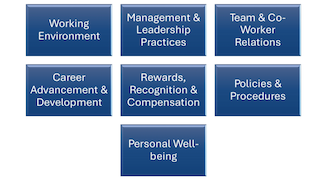
• 7 Drivers of Engagement
• Working Environment;
• Management & Leadership Practices
• Team & Co-Worker Relations
• Career Advancement & Developent
• Rewards, Recognition & Compensation
• Policies & Procedures
• Personal Well-Being
• EE Strategy
• Software Platform
• Action Plan and Implementation Monitoring
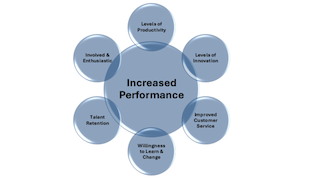
• Increased Performance Levels of
1) Productivity,
2) Innovation,
3) Customer Service,
4) Willingness to Learn & Change,
5) Talent Retention,
6) Involved & Enthusiastic Employees
Employee Engagement is a survey taken amongst a sample of your organisation’s employee population every two or three years. It serves as a measure/barometer of the level of commitment and involvement employees have in the organisation. The survey is a strategic intervention aimed at improving and optimising business performance by focusing on the most important asset of the organisation: its employees. Employees can be categorised into being Satisfied, Motivated, Committed, Advocating and Engaged. An Engaged Employee is satisfied, motivated, committed and is an advocate for the company and what it produces.
The data obtained from the survey is put into an Insights, Issues and Risk (IIR) Dashboard through which red flags, pressing matters, priorities and an action plan is mapped out in order to “Turn the Data into Action” This action focuses on shifting levers according to the Seven Drivers of Employee Engagement:
Employee Engagement has the following benefits and spin-offs:
Figure 2: Benefits of Employee Engagement
Our Offer includes the following:
• We Measure how you perform in terms of the Drivers of Engagement;
• We identify the Red Flags & Root Causes through our Survey & Focus Groups;
• We Co-Create an Action Plan with detailed timelines, resources, accountability, measures and targets (Employee Engagement Strategy);
• We highlight whether you are a Customer-Centric or a Company-Centric Organisation;
• We compare your results with Global Benchmarks;
• We utilise a Software Platform to automate your Action Plan; and
• We monitor the Implementation of the Action Plan.
At Marang we offer bespoke FRANCHISING SOLUTIONS AND SERVICES with tools and expertise utilising a tried and tested processes to ensure consistent outputs and quality assurance.
We deliver our services through The Marang Way: a differentiated Consulting methodology and approach. It is a systemic, holistic and integrated approach to providing services. We co-create solutions with you to ensure that there is ownership, buy-in, skills transfer and sustainability of solutions. We are "GLOCAL” (think global, act local) in delivering our services taking into account best practices.
Call to Action: Complete the Enquiries Form under Contact us Page or Contact us at: Thando Mgauli (B.Acc) UFS •CEO •C: 068 200 2121 •E: marangconsulting2@gmail.com OR info@marangconsult.co.za
We deliver our services through The Marang Way: a differentiated Consulting methodology and approach. It is a systemic, holistic and integrated approach to providing services. We co-create solutions with you to ensure that there is ownership, buy-in, skills transfer and sustainability of solutions. We are "GLOCAL” (think global, act local) in delivering our services taking into account best practices.
Take the Next Step, Engage Your Employees.
THE ULTIMATE GUIDE TO OBTAINING FUNDING IN SOUTH AFRICA
05 March 2026
Authored by: Thando Mgauli, CEO Marang Consulting
• “It's almost always harder to raise capital than you thought it would be, and it always takes longer. So plan for that.” —Richard Harroch, Venture Capitalist
1. BLOG ARTICLE 1: The Utimate Guide to Getting Business Funding in South Africa
Introduction
Access to funding is one of the biggest challenges Entrepreneurs face. Many viable Businesses never grow
simply because they don’t understand how Funding works, what Funders require, or how to position
themselves correctly. I hereby explain the exact steps you must follow to become funding-ready and
increase your approval chances.First let’s define what is Small Business Funding i.e. Small Micro, Medium
Enterprise (SMME) Funding? In this context SMMEs refer to Small Businesses,Co-Operatives and Non-
Profit Organisations (NPOs).
SMME Funding is funding designed specifically for small businesses.That means they do not follow the
traditional banking model where a client would need to put up surety (collateral) in order to receive funds.
Small business funding works in such a way that businesses who don’t yet have the capital or assets to
provide surety, can still get access to funds using various funding avenues in the form of a Loan, a Grant
and funding and support through Enterprise Supplier Development Programmes (ESDPs).
Business Grant: A business grant is a sum of money given to a company or organisation by a
Government, Corporation, or Philanthropist that does not need to be repaid.Grants are often awarded to
help with business growth, support specific objectives like job creation, or assist businesses that may not
be able to secure traditional loans
• Free money: Unlike a loan, a grant does not require re-payment or interest, which allows a business to
grow without incurring debt.
• Targeted funding: Grants are often awarded for specific purposes, such as helping small businesses,
promoting economic growth, creating jobs, or supporting businesses owned by historically
disadvantaged groups.
• Conditions: While a grant doesn't need to be repaid, there may be conditions attached, such as a
requirement to hire local staff or invest in a specific industry.
• Funding sources: Grants can come from various sources, including Government Agencies, Private
Companies, and Non-Profit Organisations.
An Enterprise and Supplier Development Programme (ESDP) is a corporate initiative that provides
Capital, Skills Training, and Market Access to help Small and Medium-sized Enterprises (SMEs),
particularly those owned by Black Individuals, to grow and become more competitive. These programmes
aim to foster economic transformation and long-term growth by improving the capabilities of suppliers within
a company's supply chain and supporting new businesses. The support provided can include funding,
mentorship, and opportunities to become a vendor for the larger corporation.
Key aspects of an ESD program
• Beneficiary Focus: Typically targets Black-Owned Small and Medium-sized Enterprises (SMEs) to
address economic transformation goals.
• Core Components: Combines Enterprise Development (ED) for Start-ups and New Entrants with
Supplier Development (SD) for existing Suppliers.
• Forms of Support:
• Access to Capital: Providing funding for things like Training, Quality Management Systems, or
Operational Expansion.
• Skills and Mentorship: Offering Business Development, Leadership Coaching, and Specialist
Support to build capacity.
• Market Access:Creating procurement opportunities and market linkages so the supported SMEs
can become sustainable vendors.
• Overall Goal: To drive economic transformation, create jobs, and encourage innovation by strengthening
local and diverse suppliers.
• Strategic Importance: These programmes are often a strategic government priority, such as under South
Africa's Broad-Based Black Economic Empowerment (B-BBEE) policy.
In South Africa Small Businesses dominate the economy but are severely underfunded, hence the
expression “Small Business is big Business”. According to ncr.org.za South Africa has 2–6 million
SMEs depending on how informal businesses are counted, while according to SME South Africa SMEs
contribute 34–40% of GDP and as per SME South Africa SMEs employ about 60% of the workforce.
Despite this importance, funding access is extremely low.
An analysis into how manay Businesess actually obtain funding reveals that less than 15% of SMEs obtain
Bank Debt Funding( bbrief ). Only about 6% receive government funding ( Doing Business in South
Africa ). Around one-third of SMEs have ever accessed formal finance( SEO Sandwitch ). SME loan
rejection rates are above 40% ( SEO Sandwitch ).
Among registered SMEs applying to formal Finance only about 27% successfully receive funding.
( ncr.org.za ). Meaning:≈ 73% of applicants fail to obtain funding.
There is a Funding Gap i.e. Unfunded Capital Demand, meaning there is a large gap between Funding
available and Funding needed. In South Africa it is estimated the SME funding gap is R350 billion
( Engineering News ). In Africa the SME Financing gap across is about $500 billion (~R9 trillion)( Reddit ).
This means a massive amount of businesses cannot access capital to expand, buy equipment, or hire
staff. This can be attributed to what is coined the “Missing Middle” Problem. A large group of Businesses
cannot access finance. This group is called the “missing middle.” These are Businesses that are 1) Too
big for micro-loans, 2) Too small or risky for banks and venture capital. About 1.1 million formal
businesses fall into this gap, and over 2 million informal businesses ( SME South Africa ). This segment
represents over 80% of SME employment but receives very little funding.
The are specific reasons why Businesses don’t get Funding. Funding is rarely rejected because money
does not exist. Instead, it is usually due to Risk and Funding Readiness Factors. The main reasons for
Funding rejection are:
1. Lack of financial records: Funders require:
a) Annual Financial Statements/Financial Projections
b) Management Accounts
c) Cash-flow Projections
Many SMEs lack these.
2. No collateral: Banks prefer:
a) Property
b) Equipment
c) Personal sureties
d) Many Entrepreneurs do not have assets.
3. Informal businesses
Almost 85% of informal SMEs are financially excluded because they are not registered as Formal
Entities {Pty (Ltd, Co-Oporative or NPO) through the Companies and Intellectual Propertty
Commission (CIPC) or tax compliant through the South African Revenue Service (SARS)
( ncr.org.za .
4. Poor governance
Investors look for:
• Board oversight
• Financial controls
• Separation of business and personal finances
• Many SMEs are owner-dependent.
5. Weak cash flow
Funders prioritise predictable revenue streams.
If revenue is inconsistent, funding is unlikely.
6. Poor credit scoring models
Many lenders still use consumer credit models for SMEs, which misjudge business risk. ( Engineering
News )
6. Public Sector Funding Available (Government)
Government funding comes mainly from:
• IDC (Industrial Development Corporation)
• EFA / Small Enterprise Finance Agency
• Small Enterprise Development Agency
• Department of Small Business Development
• Department of Trade, Industry and Competition
Total government SME lending through DFIs historically was about:
• R11.48 billion outstanding loans in one dataset analysed. ( OECD )
This is only about 1.8% of total SME lending, showing government plays a relatively small role compared
with banks.
7. Unspent Government Funds (Returned to Treasury)
One major issue inSouth Africa is under-spending of budgets.
In many programmes:
Funds are allocated but not disbursed because applicants do not qualify or processes are slow.
Typical causes:
• Weak applications
• Procurement delays
• Compliance failures
• Programme capacity limitations
When Departments fail to spend budgets:
Money is returned to the fiscus through the National Revenue Fund managed by
National Treasury (South Africa).
Across Government Departments, tens of billions of Rand are returned annually, although exact SME-
specific numbers vary by programme and year.
8. Important Insight (Often Missed)
Research shows:
“There is no shortage of funding. The problem is the mismatch between capital and
funding readiness.” ( Engineering News )
Meaning:
The real constraint is investment readiness, not capital supply.
HOW TO GET FUNDING IN STEPS:
Step 1 — Understand the Types of Funding Available
Not all funding is the same. Each option has different requirements and expectations:
Grants
• Non-repayable
• Highly competitive
• Strict compliance requirements
Loans
• Must be repaid
• Require financial records
• Need proof of repayment ability
Equity Funding
• Investor takes ownership share
• Requires scalability potential
• Strong governance required
Key insight: Most rejections happen because applicants apply for the wrong type of funding.
Step 2 — Prepare Your Business Before Applying
Funders invest in prepared businesses, not ideas.
Minimum requirements:
• Registered entity
• Tax compliance
• Bank account
• Clear business model (FORMAL BUSINESS PLAN)
• Financial projections
• Market analysis
Businesses without these fundamentals are declined immediately.
Step 3 — Develop a Fundable Business Plan
A funding-ready plan must demonstrate:
• Profit potential
• Market demand
• Competitive advantage
• Scalability
• Risk mitigation
Most entrepreneurs submit descriptive plans instead of analytical ones. Funders want evidence, not
motivation.
Step 4 — Demonstrate Commercial Viability
Funders ask one question:
“Will this business generate sustainable returns?”
To answer this, your application must show:
• Realistic Revenue Forecasts
• Cost Structure
• Break-even Point
• Cash Flow Projections
Step 5 — Submit Strategically, Not Randomly
Sending applications everywhere reduces success rates.
Instead:
• Target Funders aligned with your sector
• Tailor each submission
• Follow guidelines exactly
Most Common Reasons Funding Applications Fail
• Incomplete Documents
• Unrealistic Projections
• Unclear Value Proposition
• Weak Market Research
• Poor Financial Understanding
Professional Insight
Funding is not awarded based on need.
It is awarded based on readiness + viability + credibility.
Take the Next Step and Contact us to obtain fundinf for your Business, Co-operative and NPO.
Call to Action
If you want your funding application assessed for approval readiness, book a professional Funding
Readiness Evaluation. One strategic correction can be the difference between rejection and approval.
At Marang we offer bespoke Advisory Services to obtaining Business Funding for Entrepreneurs,
Businesses, Co-Operatives and Non-Profit Organisations including expertise utilising a tried and tested
processes to ensure consistent outputs and quality assurance.
We deliver our services through The Marang Way: a differentiated Consulting methodology and
approach. It is a systemic, holistic and integrated approach to providing services. We co-create
solutions with you to ensure that there is ownership, buy-in, skills transfer and sustainability of
solutions. We are "GLOCAL” (think global, act local) in delivering our services taking into account best
practices.
Call to Action
If you want your funding application assessed for approval readiness, book a professional Funding Readiness Evaluation. One strategic correction can be the difference between rejection and approval.
At Marang we offer bespoke Advisory Services to obtaining Business Funding for Entrepreneurs, Businesses, Co-Operatives and Non-Profit Organisations including expertise utilising a tried and tested processes to ensure consistent outputs and quality assurance.
We deliver our services through The Marang Way: a differentiated Consulting methodology and approach. It is a systemic, holistic and integrated approach to providing services. We co-create solutions with you to ensure that there is ownership, buy-in, skills transfer and sustainability of solutions. We are "GLOCAL” (think global, act local) in delivering our services taking into account best practices.
Marang Consulting has accomplished the below projects.
We enjoy very strong synergetic relationships with various strategic associates and stakeholders in Small, medium to large sectors. These include individuals and organisations with
Industry experts,
High grade contractors & project
managers, Safety experts & fundis
Engineers & quantity surveyors,
Environmentalists
Government Ministries & departments, including labour.
Meet The Marang Consulting leadership. This is the driver behind our strong force.
Degree: B.Acc
Founder & C.E.O.
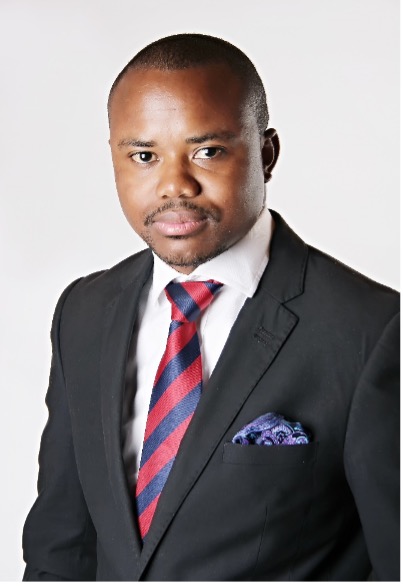
Thando Mgauli completed his B. Acc degree at the University of the Free State. He has briefly worked at PwC serving articles and has worked as a financial manager in Bloemfontein. He is the Founding CEO of Marang Consulting, a Boutique Management consultancy firm focusing on Strategy, Management Consulting and Training.
Thando Mgauli is a Strategist, Management Consultant, Project Manager, Training Facilitator, Business Development Practitioner and Entrepreneur.
He has successfully managed and led various projects to completion and overseen their compliance to satisfy and exceed client expectations and according to acceptable norms and standards. He brings on-board an array of skills such as project leadership and management, report writing, process management and logical thinking and attention to detail.
B.Soc.Sc, B.Soc.Sc (Hons), M.Soc.Sc, M.Ed, and MBA degrees
Associate Consultant, Business Planner, Strategist & Mentor
Daniël F Jacobs completed his B.Soc.Sc, B.Soc.Sc (Hons), M.Soc.Sc, M.Ed, and MBA degrees at the University of the Free State. He founded the Centre for Business Dynamics, commercial unit of the Business School at the University of the Free State and also started ILSC (Pty) Ltd, a Consulting firm, who specialises in strategic positioning of business models and change management. He acts as organisational change and strategic positioning facilitator at various companies and public sector institutions. He also lectures ‘Leading Innovation and Change’ within the MBA programme.
Marang Consulting | Sterkspruit | Eastern Cape | 9762
Phone: 068 200 2121
E-mail: info@marangconsult.co.za